The 49th Dayton Days closed out in late July with a record 104 runners in the mile run before the parade, and by the second week of August the town looks like a different place. The traffic on Main Street thins to pickups and delivery trucks. The Fireman's Water Fight is a wet spot on the pavement. Scott Bicentennial Park goes back to being the park.
This is the part of the year most guides skip. It is also the part of the year that most rewards paying attention. What follows is a working calendar for the six weeks between the parade and the first hard frost, built around the specific places in Dayton that behave differently when the crowd is gone.
The canyon changes jobs in August
Tongue River Canyon spends July as a photo stop. From the second week of August onward it goes back to being a working corridor for fishing, climbing, and long walks with the dog. The AllTrails baseline for the standard hike is 4.8 miles out and back with 813 feet of gain, moderate, starting at Tongue Canyon Campground off Tongue Canyon Road. That is the version that fills the parking area on a Saturday in July. It is not the only version.
A few things worth knowing if you have only ever done the standard walk:
- The trail keeps going. Past the meadow most people turn around at, you can push another few miles and make it a nine-mile round trip, or connect to Freeze Out Point for a shuttle. Arrowhead Lodge, which sits at the top of the drainage on Forest Service Road 196, points out that you can also walk the canyon downhill from the top rather than uphill from town.
- Fall color runs later than most people expect. The cottonwoods along the river hold through late September in a normal year, and the canyon's most vivid week usually falls somewhere in the first ten days of October. The AllTrails "April through September" window is conservative.
- Wildlife density is higher in the shoulder weeks. Marmots and hawks are the constant. Peregrine falcons nest on the cliff faces above Steamboat Point a few miles up the highway.
If you have out-of-town family coming through in September, this is the walk. It reads better in oblique light than in July's overhead sun, and you will not be sharing the trailhead with a shuttle bus.
Kleiber's studio has a window, and August is most of it
The Hans Kleiber Studio Museum at 605 Main Street is open free to the public during the summer months, Wednesday through Friday, 10 a.m. to 6 p.m. It closes for the season not long after. If you have lived in Dayton for a decade and never actually walked in, August is the month to fix that.
Kleiber was born in Jaegersdorf, Austria in 1887, immigrated with his family to Massachusetts in 1900, and eventually took a job with the U.S. Forest Service that put him at the Woodrock lumber camp at the head of the Tongue River. He was promoted to Forest Ranger by 1913. In 1923, at 36, he came back to Dayton and built his first printing press with gears and rollers cast at the Sheridan Foundry. He worked in the studio until his death in December 1967. The cabin was moved to its current spot on Main Street and dedicated on July 28, 1991.
Kleiber received the Silver Medal from the Printmakers Society for his print Leaving the High Country and had a special showing at the National Museum in Washington, D.C. in 1944.
The reason to go in the last weeks of the season, rather than in July, is the Resident Artist Program. A local artist works in the studio as the docent. In July you walk in, look, and leave. In late August, with the door open to the street and no one else inside, a docent will usually stop working and talk to you for twenty minutes about the etchings on the wall. That is a different museum.
Steamboat Point is a Sunday drive, not a bucket-list hike
Roughly thirteen miles west of Dayton on Highway 14, Steamboat Point is the limestone crag that looms on the right side of the road as you climb into the Bighorns. The parking area is at the base. The hike from the lot to the summit is about a mile, steep and rocky, no ropes needed. Once on top, you can walk west toward the edge of the rock face for a view that takes in Sheridan to the east and the Cloud Peak Wilderness to the south.
The point of mentioning this in a local calendar is that Steamboat is one of the very few Sunday-afternoon drives from Dayton where you can be at a summit an hour after leaving your kitchen. It is not a plan. It is a fallback. When a weekend collapses and you have three free hours before dinner, this is the answer. The rock served as a navigational aid for the Crow and Cheyenne long before it served that purpose for anyone driving out of Dayton.
Sibley Lake, another twenty minutes farther up Highway 14, is the flip side: a quiet loop around a lake, foot bridges, wildflowers holding into September, no elevation to speak of. Between Steamboat and Sibley you have the two ends of the Sunday-drive spectrum covered.
The archery shoot at Bear Lodge is a real August weekend
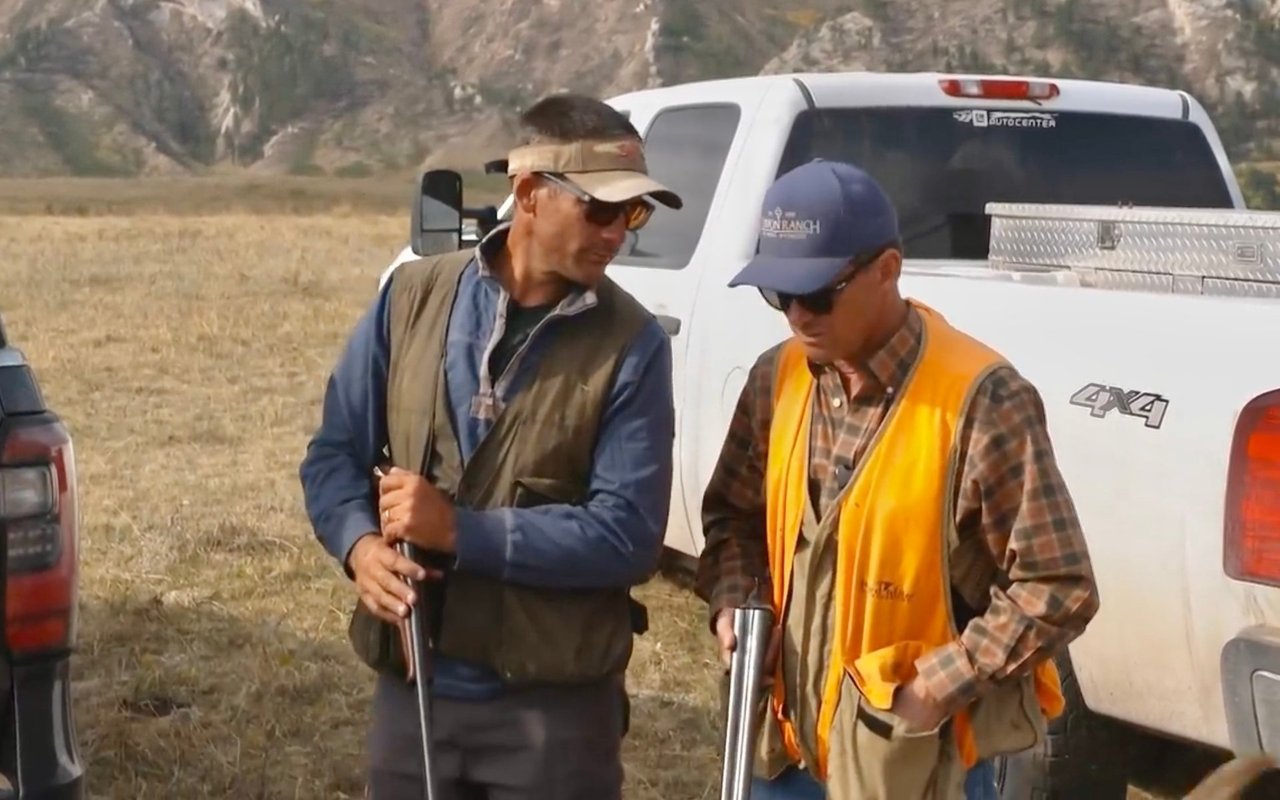
The Bighorn Mountain 3D Archery Shoot opened at Bear Lodge Resort near Dayton on Saturday, August 1 at 8 a.m. If you did not go this year, put it on the calendar for next year. It is one of the few events in the Dayton orbit that is genuinely a competition and genuinely family-friendly at the same time, and it happens on the mountain rather than in town, which changes the day considerably.
The broader pattern to notice: the events that get local write-ups in July, the parade and the mile run and the pool party, are the events out-of-town family shows up for. The events in August and September are the ones that lifelong residents actually put on their own calendars. Archery at Bear Lodge is on that list. So is opening day of the fall archery elk season a few weeks later, though that one requires a different kind of planning.
The Mercantile is an ending, not a stop
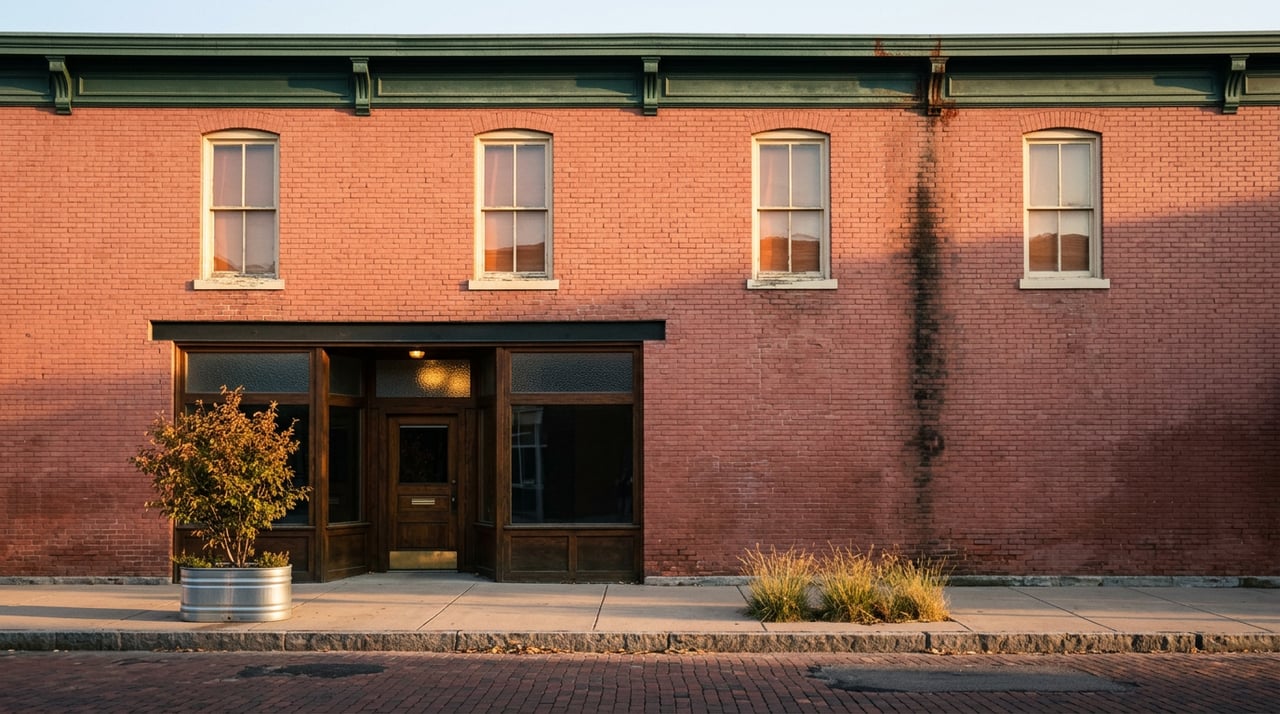
The Dayton Mercantile, in an 1886 building on Main Street, is the town's default rendezvous. It is the sandwich stop for people driving up to Yellowstone. It is the ice cream stop for people driving down from the canyon. In late summer it becomes something more specific: the place you end a Saturday.
The rhythm most locals eventually settle into runs something like this. Leave the house by 8:30. Walk two to four miles in the canyon while the light is still low. Come back through town, past the Bell Tower in Bicentennial Park, and stop at the Mercantile for a slushy or a sandwich on the porch. If it is Wednesday, Thursday, or Friday, walk two doors down and spend forty-five minutes at Kleiber's studio. Then go home. That is the whole Saturday. It costs less than twenty dollars and it uses the town the way the town was built to be used.
A note on the shoulder season, and why it matters if you own here
Dayton is the last town on the way up the mountain toward Yellowstone, and that geography shapes almost everything about the local calendar. July belongs to travelers. August belongs to residents. September belongs to hunters. October belongs to the wind. The people who bought a place in Dayton and then treated it like a July address are the ones who resell within three years. The people who stay are the ones who figure out what August and September actually offer, which is quiet access to a canyon most of the country would drive two days to see.
If you already live here, you know this. The calendar above is just a reminder of the specific rooms and trails and hours that make the shoulder season worth staying home for.
If you are thinking about a property in Dayton, on the outskirts, or on any of the acreages that back up to the Bighorn National Forest between here and Ranchester, the shoulder season is the honest audition. Come in the third week of August, not the third week of July. Walk the canyon on a Tuesday morning. Sit on the Mercantile porch on a Thursday afternoon. Then decide.
When you are ready to talk about what a place in Dayton would actually look like for the way you want to use it, Paul Wallop with CENTURY 21 BHJ Realty has spent four generations on this side of the Bighorns and thirty years working the land. Let's connect.